California vehicle safety system rules are designed to ensure that all drivers on the road are operating vehicles that meet minimum safety standards. These regulations cover critical systems like brakes, lights, suspension, steering, and electronic safety features. For drivers in North County and surrounding areas, understanding these requirements can prevent costly fines, failed inspections, and safety hazards.
The rules exist not only to protect you but also everyone else sharing the road. Whether you’re preparing for a state inspection or dealing with issues flagged during routine service, being informed about these regulations can help you take control of your vehicle’s maintenance before a small issue becomes a big problem.
Why California Has Strict Vehicle Safety Requirements
California leads the nation in enforcing environmental and safety standards, partly due to its unique geography and dense population. With high traffic volumes, varying terrain, and wildfire-prone areas, the state needs vehicles to operate as safely and efficiently as possible. These safety system rules are enforced through periodic inspections, especially during smog checks or when registering a used vehicle.
Safety requirements are grounded in both federal and state law. California’s Vehicle Code and the Bureau of Automotive Repair (BAR) outline system-specific criteria that vehicles must meet. These include mechanical functionality, electronic safety features, and structural integrity. The goal is to keep unsafe vehicles off the road and minimize the risk of injury, especially in high-speed collisions or during emergency braking scenarios.
Key Systems Covered by California’s Regulations
Regulations don’t just look at your engine or emissions. The scope includes several essential safety components, each of which must function properly:
Brakes and Brake Lamps
Brake systems are a top priority. Inspections look for signs of worn pads, uneven braking, fluid leaks, and brake light functionality. California requires brake lamps to activate with minimal delay and be clearly visible from the rear of the vehicle.
Steering and Suspension
Both systems affect your ability to control the vehicle. Faulty steering racks, worn ball joints, or loose tie rods can lead to dangerous handling. Inspectors check for excess play, alignment issues, and shock absorber performance to determine if repairs are needed.
Lights and Reflectors
Exterior lighting must meet brightness and placement requirements. This includes headlights, tail lamps, turn signals, hazard lights, and side reflectors. Non-working or improperly aimed lights can fail an inspection and lead to unsafe driving at night or in poor weather.
Safety Restraints and Airbags
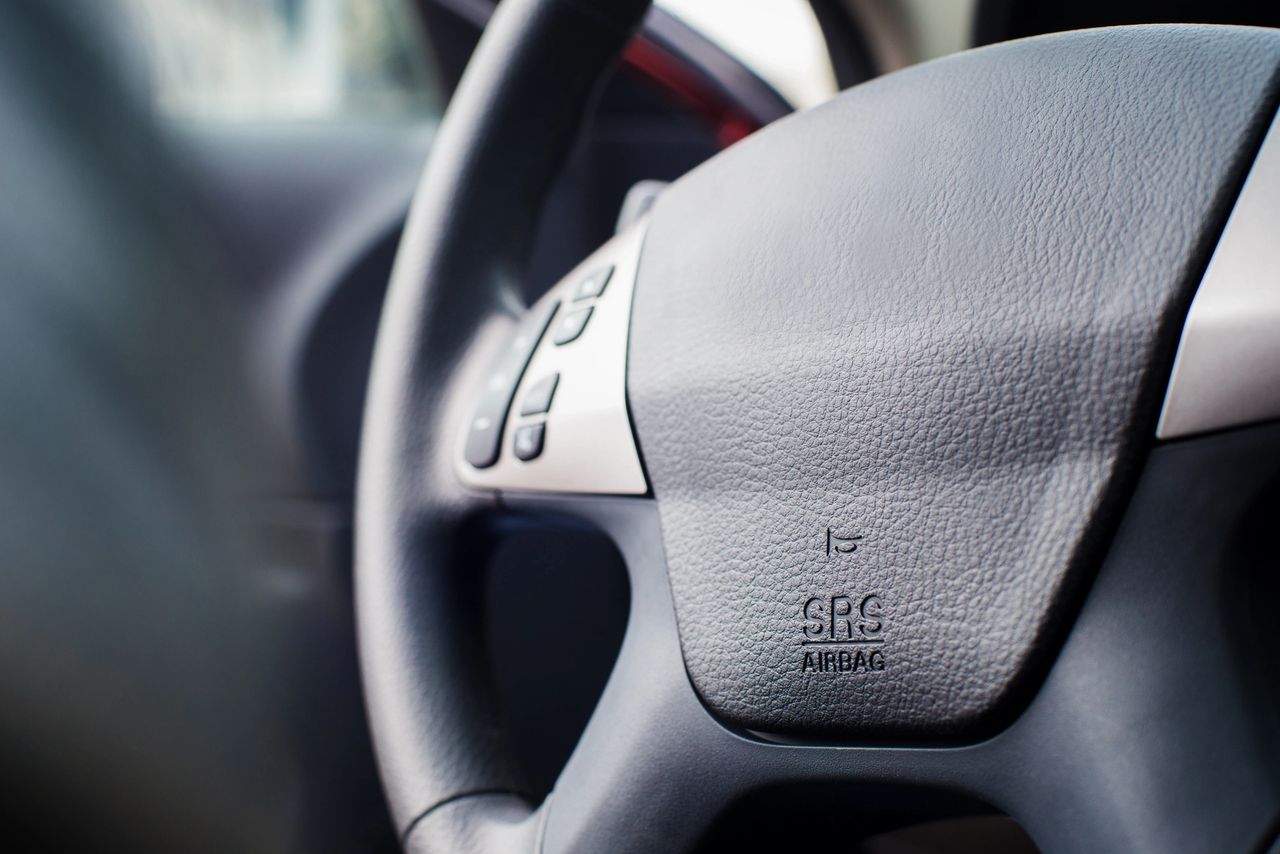
Seatbelts must retract properly and latch securely. In newer vehicles, airbag systems must show no faults or dashboard warning lights. Any malfunction in these systems typically results in immediate disqualification from passing a vehicle safety inspection.
Windshield and Wipers
Visibility is a major concern, especially during California’s rainy or dusty conditions. Windshields must be free of large cracks, especially in the driver’s line of sight. Wipers must operate effectively and washer systems should spray correctly.
Electronic Safety Features
Advanced Driver Assistance Systems (ADAS) like lane departure warnings, collision avoidance, and backup cameras are increasingly being included in inspections, particularly in newer models. If any warning indicators appear on your dashboard, these issues may need to be resolved before your vehicle passes.
Understanding the Inspection Process
When you take your car in for an official inspection—whether it’s a smog check, change of ownership, or an insurance-related evaluation—it’s more than just emissions. Licensed technicians are trained to identify any failures in the systems above. Each system has a checklist, and even one non-functional component can result in a failed inspection.
If your vehicle fails, you’ll typically receive a detailed report outlining what needs to be fixed. Once repairs are made, you can return for a reinspection. Some facilities offer both inspection and repair services, which can save you time and ensure continuity of service.
Common Mistakes That Lead to Failed Inspections
Many drivers are surprised to learn their vehicle failed for reasons unrelated to emissions. These mistakes are often easy to avoid with regular upkeep:
- Driving with a check engine light or airbag warning illuminated
- Neglecting brake fluid or failing to change worn pads
- Ignoring cracked tail lights or faulty turn signals
- Driving with worn-out windshield wipers or a dirty windshield
- Forgetting to check tire pressure and tread depth before an inspection
It’s a good idea to have your car professionally inspected before any official smog or safety evaluation. This way, you can make minor fixes that might otherwise cost you time and money in retests.
How These Rules Impact Used Car Buyers and Sellers
In California, anyone selling a used vehicle must ensure it meets current safety standards. This is often verified through a Brake and Lamp Inspection Certificate, required when a vehicle has been salvaged or is undergoing registration changes. Buyers should request recent inspection records to confirm that safety systems are compliant and functional.
Sellers should be aware that if a car fails to pass due to safety issues, they may be required to fix these problems before completing the sale. This makes staying ahead on maintenance not only a safety concern but also a financial strategy.
The Role of Preventive Maintenance in Compliance
Staying compliant with California vehicle safety system rules doesn’t have to be stressful. Routine maintenance plays a crucial role. Scheduling regular service allows technicians to catch issues early—before they result in inspection failures or breakdowns.
Preventive maintenance should include fluid checks, tire inspections, light replacements, and diagnostic scans. Even seemingly small actions like replacing a burnt-out bulb or checking for dashboard alerts can make a major difference.
The best time to catch an issue is before you’re required to prove your car’s roadworthiness. A proactive approach reduces your risk of unexpected expenses and helps ensure your vehicle stays in top shape year-round.
Escondido Drivers: Keep Your Vehicle Safety Systems Up to Code
If you live in Escondido or the greater North County area, it’s important to work with a local shop that understands California vehicle safety system regulations inside and out. From detailed inspections to expert repairs, your auto shop should offer transparency, quality service, and a commitment to keeping your vehicle compliant.
At Owen’s Automotive in Escondido, we make vehicle safety our priority. Whether you’re preparing for a brake and lamp inspection, need routine maintenance, or want a second opinion before a smog check, our team is here to help you stay road-safe and worry-free. Schedule your inspection or service today through Owens Auto Repairs and drive with confidence.