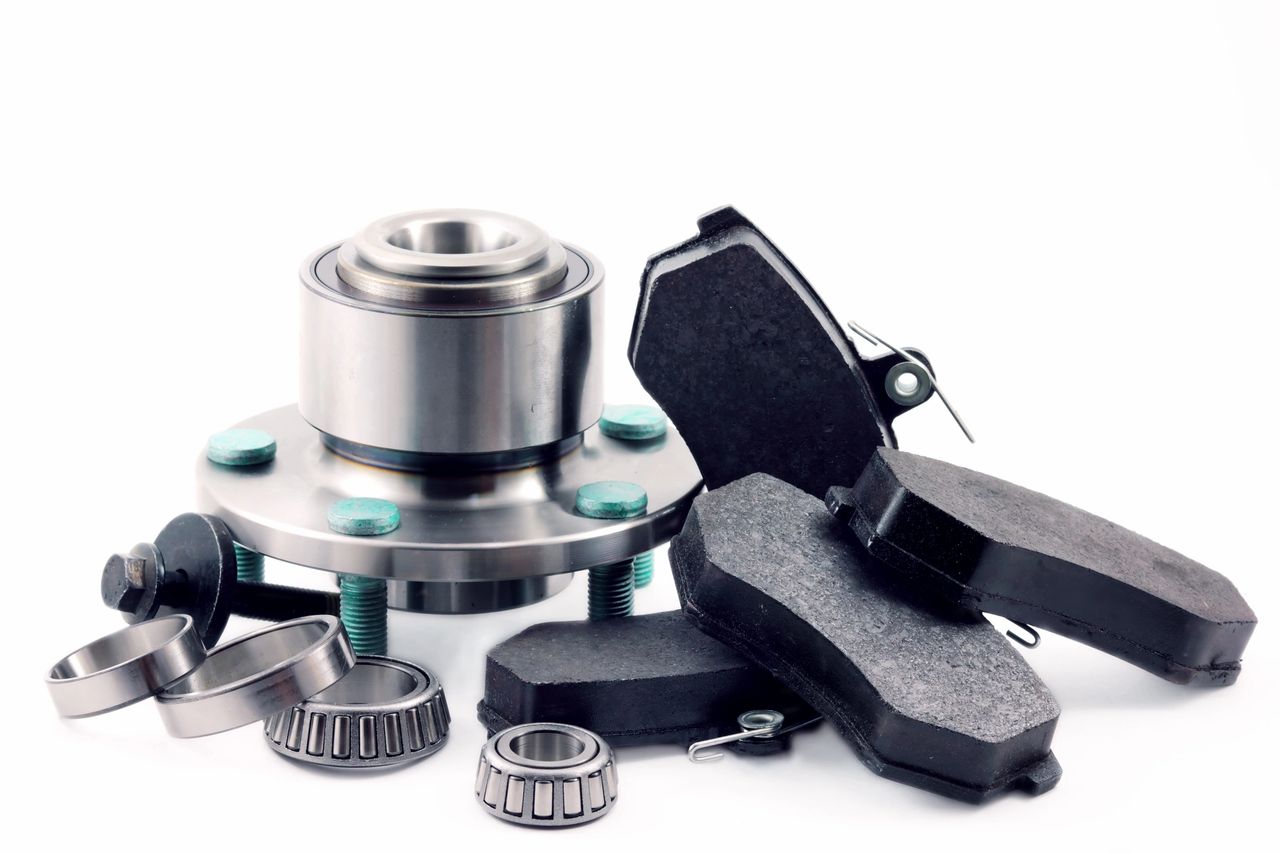
When it comes to auto service in Escondido, brake health isn’t something you want to overlook. Every time you press the pedal, your vehicle relies on precisely calibrated components to slow you down safely. Ignoring early warning signs can lead to costly damage—and even put you at risk on busy North County roads. By understanding what to watch for, you can schedule Escondido brake repair before small problems become hazards.
Why Early Detection Matters
Brake components wear gradually, but the consequences of failure can be sudden. According to the National Highway Traffic Safety Administration, brake-related failures contribute to approximately 22% of all vehicle accidents each year. By catching issues early—when symptoms first appear—you not only protect your family and fellow drivers but also avoid cascading damage that can affect rotors, calipers, and hydraulic lines.
Consider Maria, a commuter who noticed an unusual vibration every time she braked on her daily drive from San Marcos to Escondido. She put off service for weeks, assuming it was a minor quirk. By the time she booked an appointment, worn pads had gouged her rotors, doubling the repair cost and sidelining her car for days. Had she acted at the first tremor, she’d have saved both time and money.
Unusual Noises Under Braking
The moment your brakes whisper—or shout—that something’s wrong is when they start to groan, squeal, or grind beneath your foot. A high-pitched squeak often means brake pads are nearing the wear indicator, a small metal tab designed to scrape the rotor and alert you. When you hear a harsh grinding noise, it usually indicates metal-on-metal contact—the pads have worn through and are digging into the rotors themselves.
Even subtle clicking or rattling can signal loose hardware or warped brake components. Though some noises might seem intermittent—only occurring at low speeds or during sharp turns—they often foreshadow more severe problems. Scheduling a professional inspection at the first sign of noise helps preserve rotor condition and prevents brake fluid leaks from damaged lines.
Pulsations and Vibration in the Pedal
If the brake pedal feels like it’s pulsing under your foot, you’re experiencing more than just a nuisance—it’s a direct warning of uneven rotor surfaces or air trapped in the hydraulic system. Warped rotors create uneven friction, causing the pedal to oscillate as you apply pressure. Meanwhile, air in the brake lines compromises hydraulic pressure, reducing responsiveness and consistency.
Drivers often describe this sensation as a “mushy” pedal or a vibration that varies with speed. Rather than relying on guesswork, a brake specialist can measure rotor runout and bleed the system to restore a firm, predictable feel. Addressing pulsations early prevents rotor cracks and caliper failures down the road.
Decreased Stopping Power
As brake pads thin and hydraulic fluid degrades, your vehicle’s ability to stop quickly diminishes. You might notice it takes longer to come to a complete halt, or you need to press the pedal deeper into the floorboard. This loss of stopping power is especially dangerous in emergency situations—think a sudden stop to avoid an animal or an unexpected slowdown in traffic.
Don’t gamble with reaction time. When stopping distances start creeping up, schedule Escondido brake repair immediately. Technicians can test braking force and inspect calipers, wheel cylinders, and master cylinders to identify exactly which components require attention. Restoring full braking performance ensures you remain confident and safe behind the wheel.
Pulling to One Side
A healthy braking system applies pressure evenly across both front wheels (or both rear wheels, in certain vehicles). If your car veers left or right when you brake, it signals uneven pad wear, a sticking caliper, or a collapse in one section of the hydraulic line.
Pulling can strain steering components and cause uneven tire wear, compounding repair bills if left untreated. In many cases, balancing caliper pistons and replacing a single pad cluster resolves the issue quickly. Professional alignment checks after brake repairs ensure your vehicle tracks straight and handles predictably.
Illuminated Brake Warning Light
Modern vehicles are equipped with onboard diagnostics that monitor brake performance. When the dashboard brake light flickers on—whether it’s the ABS icon or the general brake warning symbol—it’s your car’s way of saying something needs attention. While a low brake fluid level is a common cause, it can also indicate worn pads triggering a sensor or an electronic fault in the ABS module.
Ignoring a persistent brake warning light risks further electrical faults and compromises safety features like anti-lock braking under emergency stops. Technicians can scan fault codes, top off or flush fluid, and confirm sensor operation before signing off on your vehicle’s safety.
Unpleasant Odors After Heavy Braking
After descending a long hill or in stop-and-go traffic, you may detect a sharp, burning smell near the wheel wells. This odor often comes from overheated brake pads and rotors, which can glaze the friction surface and dramatically reduce stopping power. In extreme cases, overheated fluid boils, introducing compressible vapor into the brake lines.
If you experience this scent, pull over safely and allow the brakes to cool. Repeated overheating damages pads and rotors beyond simple resurfacing, necessitating full replacements. A brake specialist can recommend high-temperature fluid and performance-grade pads for drivers who frequently tackle steep San Diego County terrain.
When to Seek Professional Inspection
While some drivers feel comfortable replacing pads or rotors, diagnosing complex issues—like fluid leaks, ABS malfunctions, or caliper binding—requires specialized tools and expertise. Certified technicians use pressure probes and caliper presses to confirm component integrity, ensuring your repairs meet manufacturer standards.
Even routine pad replacement appointments should include a full brake system check. Inspecting hoses, mounting hardware, and the master cylinder protects you against unexpected failures and maintains warranty compliance for aftermarket components.
Maintaining Brake Health in North County
Preventive maintenance is the most cost-effective way to ensure reliable stopping power. Regular inspections—ideally every 10,000 miles or annually—allow you to replace fluid, measure pad thickness, and resurface rotors before problems arise. High-mileage vehicles and those used for towing or hilly commutes benefit from more frequent brake service intervals.
It’s also wise to monitor brake fluid color and level between visits. Dark or murky fluid indicates moisture contamination, while a dropping level signals external leaks. Topping off the reservoir with DOT 3 or DOT 4 fluid of the correct rating (as specified in your owner’s manual) keeps hydraulic seals functioning optimally.
Escondido Brake Repair Solutions
By paying attention to subtle noises, pedal feedback, and dashboard alerts, you can detect brake issues before they escalate into safety hazards or costly repairs. Escondido brake repair isn’t just about fixing worn pads—it’s about preserving your vehicle’s handling, protecting your investment, and keeping every trip on North County roads as safe as possible.
Ready to address brake concerns before they turn into emergencies? Contact Owen’s Automotive today to schedule a comprehensive brake inspection and repair. Your safety depends on reliable stopping power—let our team ensure you’re protected on every journey.