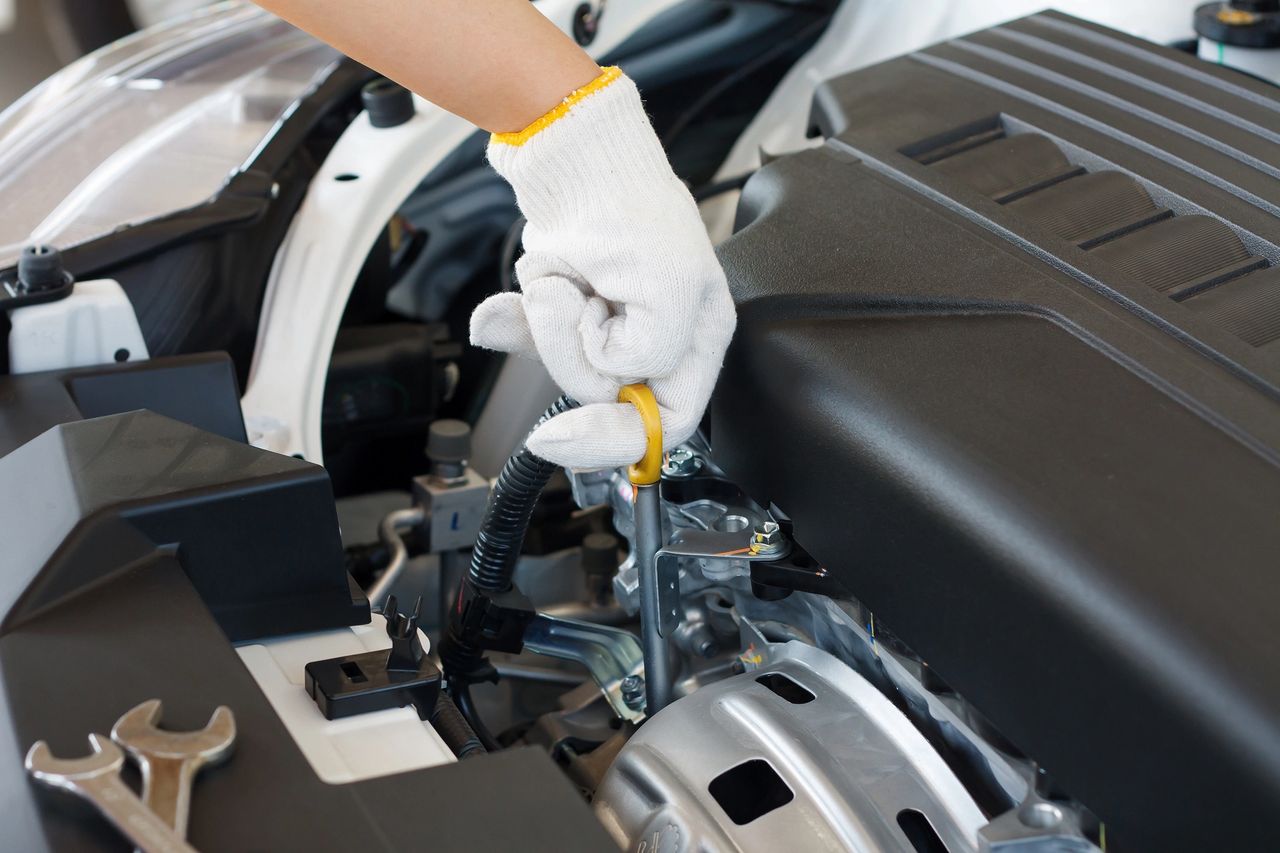
When it comes to maintaining your vehicle, one of the most crucial tasks is an Escondido oil change. This regular maintenance routine not only preserves your engine's health but also enhances fuel efficiency and prolongs your vehicle's lifespan. Car owners in Escondido and throughout North County often wonder how often to change oil to avoid costly repairs and ensure smooth driving experiences. This comprehensive guide will address these concerns, providing you with the insights needed to keep your engine running at its best while offering practical tips and industry advice for maintaining your vehicle.
Understanding the Importance of Regular Oil Changes
An oil change is much more than a simple maintenance task—it is the lifeblood of your engine. Oil lubricates the moving parts, reduces friction, and helps cool the engine during operation. Over time, engine oil breaks down due to heat and contaminants such as dust, fuel, and combustion by-products. This degradation can lead to a buildup of sludge and decreased efficiency, ultimately causing severe damage if not addressed in time. By sticking to a regular Escondido oil change schedule, you can ensure that your engine remains well-lubricated, reducing wear and tear and preserving its performance over the long term.
In today’s fast-paced world, many drivers overlook routine maintenance in favor of other priorities. However, neglecting an oil change can result in reduced engine performance, higher fuel consumption, and increased emissions. Routine oil changes help mitigate these issues by maintaining optimal engine performance, making them essential for every driver who values reliability and efficiency.
How Often Should You Change Your Oil?
Determining the optimal frequency for oil changes involves considering several factors such as your vehicle's make and model, driving habits, and the type of oil used. Traditionally, mechanics recommended changing the oil every 3,000 miles. However, advancements in engine technology and higher-quality synthetic oils have extended this interval significantly. Many modern vehicles can now safely operate for up to 7,500 or even 10,000 miles between oil changes under normal driving conditions.
For those who drive under extreme conditions—such as frequent short trips, stop-and-go traffic, or severe weather—the oil may need to be changed more frequently. In such cases, an oil change every 3,000 to 5,000 miles may still be advisable. It’s always best to refer to your vehicle's owner manual for the manufacturer’s recommended oil change interval. This guidance, tailored specifically for your car’s design and usage conditions, is essential for maintaining optimal performance.
The Role of Different Types of Motor Oil
Another critical factor in your oil change schedule is the type of oil you use. Conventional oil, synthetic blends, and full synthetic oils each have distinct properties that can influence how frequently an oil change is necessary. Conventional oil is more affordable and works well for vehicles with simpler engine designs, but it typically requires more frequent changes. Synthetic blends offer improved performance and protection over conventional oils, striking a balance between cost and longevity. Full synthetic oil, while being the most expensive option, provides superior performance, longer intervals between changes, and better protection under extreme conditions.
Each type of oil is engineered to meet different performance criteria. For example, synthetic oils perform better at high temperatures and in cold weather, which is particularly important for drivers in regions like Escondido. They also contain additives that help reduce engine wear and improve fuel economy. By choosing the right type of oil for your driving conditions, you can maximize your vehicle’s performance and extend the life of its engine.
Identifying the Signs That Your Oil Needs Changing
Even with a well-planned maintenance schedule, it’s crucial to recognize the warning signs that indicate your engine oil is past its prime. One common indicator is a change in oil color and consistency. Fresh oil typically has a clear, amber color, while older oil may appear darker and thicker due to contamination and oxidation. Another sign is unusual engine noises such as knocking or ticking sounds, which could signal that the oil is no longer effectively cushioning the engine components.
Dashboard indicators are another helpful tool. Many modern vehicles come equipped with an oil change light that illuminates when it’s time to replace the oil. Additionally, a drop in fuel efficiency or a noticeable decrease in engine performance may also be clues that your oil is due for a change. Regular oil level checks and inspections by a trusted Escondido auto service provider can further ensure that any issues are caught early, preventing more significant problems down the road.
The Benefits of Routine Oil Changes
Routine oil changes provide numerous benefits that go beyond simply keeping your engine lubricated. One of the primary advantages is enhanced engine efficiency. Fresh oil minimizes friction between the engine’s moving parts, reducing wear and tear and improving overall performance. This not only helps your engine run more smoothly but also boosts fuel economy, saving you money at the pump over time.
Moreover, regular oil changes can help prolong the life of your engine. By preventing the buildup of harmful contaminants, new oil protects critical engine components from excessive wear and damage. This proactive maintenance reduces the likelihood of unexpected breakdowns and costly repairs. In areas with high temperatures like Escondido, the benefits of regular oil changes are even more pronounced, as fresh oil is better equipped to handle the additional stress placed on your engine by the heat.
Factors Influencing Your Oil Change Interval
While mileage is a common benchmark for scheduling oil changes, several other factors can influence how often your vehicle should be serviced. Driving conditions such as frequent short trips, extreme weather conditions, and high-speed driving can all place extra strain on your engine. For instance, if you live in an area with hot summers like Escondido, your engine oil may degrade faster than in cooler climates, necessitating more frequent changes.
Additionally, the age and condition of your vehicle play a role. Older vehicles may have higher mileage and engine wear, which can reduce the effective life of the oil. Even if the manufacturer recommends a longer interval, it might be wise to opt for more frequent changes if your engine shows signs of wear or if you frequently drive in harsh conditions. Consulting with a professional from a reputable Escondido auto service center can help you determine the best maintenance plan for your specific situation.
The Impact of Oil Quality on Vehicle Performance
The quality of your engine oil directly affects your vehicle's performance and longevity. Lower-quality oils may break down faster, lose their lubricating properties, and fail to provide adequate protection against wear and tear. On the other hand, high-quality oils, especially full synthetic options, maintain their viscosity and performance over longer periods. This stability is particularly beneficial during extreme temperatures or heavy-duty driving conditions.
By investing in quality oil and adhering to a regular maintenance schedule, you ensure that your engine is consistently protected against harmful contaminants and mechanical stress. This proactive approach not only maximizes performance but also minimizes the risk of unexpected engine failure—a key consideration for any driver relying on their vehicle for daily transportation.
Common Misconceptions About Oil Changes
There are several myths and misconceptions surrounding oil changes that can lead to neglect of this crucial maintenance task. One common belief is that if your vehicle is running fine, there is no need to change the oil. However, even if the engine seems to be operating normally, deteriorating oil can gradually cause unseen damage, reducing the engine’s overall lifespan.
Another misconception is that modern synthetic oils can eliminate the need for regular oil changes. While synthetic oils do offer extended intervals between changes, they are not immune to degradation. Contaminants and engine by-products will still accumulate over time, making regular maintenance essential regardless of the oil type. Understanding these misconceptions is key to making informed decisions about your vehicle’s care and avoiding potential pitfalls that could lead to more expensive repairs in the future.
The Financial Benefits of Timely Oil Changes
Staying on top of your oil change schedule is not only good for your engine—it’s also smart for your wallet. Regular maintenance can prevent small issues from escalating into major repairs that require extensive work and replacement parts. The relatively low cost of an oil change compared to significant engine repairs makes it an investment in your vehicle’s future.
Additionally, a well-maintained engine is more efficient, which can lead to savings on fuel costs over time. The consistent performance of your engine also means that you are less likely to encounter unexpected breakdowns, reducing the potential for emergency repairs that can be both time-consuming and costly. For car owners in Escondido and North County, these financial benefits underscore the importance of adhering to a consistent oil change schedule as part of routine vehicle maintenance.
Expert Tips for Scheduling and Performing Oil Changes
When it comes to scheduling oil changes, consider integrating your maintenance tasks into a broader service routine. Keeping track of mileage, setting calendar reminders, and even using maintenance tracking apps can ensure that you never miss an oil change. Many drivers find that aligning their oil changes with other routine maintenance tasks, such as tire rotations or brake inspections, makes the process more efficient and less time-consuming.
While many car owners prefer to perform oil changes themselves, professional Escondido auto service providers offer the expertise and tools to ensure the job is done right. Professional service centers can identify subtle issues that might be missed during a DIY oil change, such as early signs of engine wear or potential leaks. They also have access to high-quality oils and filters that meet manufacturer specifications, providing added peace of mind. For those who value efficiency and long-term performance, entrusting your vehicle to a trusted service center is often the best option.
The Environmental Impact of Regular Oil Changes
In addition to enhancing vehicle performance and longevity, regular oil changes also contribute to environmental conservation. Clean, efficient engines emit fewer pollutants, reducing your vehicle’s overall environmental footprint. Proper disposal and recycling of used motor oil are equally important. Many service centers adhere to strict environmental guidelines to ensure that used oil is recycled and disposed of responsibly.
By maintaining a routine oil change schedule, you not only protect your engine but also support efforts to minimize harmful emissions and promote sustainability. This environmentally conscious approach is especially relevant in today’s world, where reducing pollution and conserving resources have become top priorities for both individuals and communities.
Escondido Oil Change and Vehicle Care
In conclusion, maintaining a regular oil change schedule is essential for ensuring optimal engine performance and longevity. By understanding the benefits of timely oil changes, choosing the right type of oil, and recognizing when your oil needs to be changed, you can protect your vehicle from unnecessary wear and costly repairs. From the bustling streets of Escondido to the broader North County region, staying proactive about your vehicle’s maintenance not only saves money in the long run but also promotes safer, more reliable transportation.
For drivers who value their vehicle’s performance and longevity, making oil changes a priority is one of the simplest yet most effective ways to safeguard your investment. Remember that routine maintenance is a vital component of responsible vehicle ownership. When it comes to addressing your car’s maintenance needs, reaching out to a trusted service provider can make all the difference.
If you’re looking for quality oil changes in Escondido, consider contacting Owen’s Automotive. Their commitment to exceptional service and reliable automotive care ensures that your vehicle remains in top condition. Visit Owen’s Automotive today to schedule your service and experience the benefits of professional auto maintenance tailored to your specific needs.
Take control of your vehicle’s health by adhering to a regular oil change schedule and reaping the benefits of enhanced performance, fuel efficiency, and long-term engine reliability. Your car deserves the best care, and with the right maintenance routine, you can enjoy a smoother, more efficient driving experience every time you hit the road.