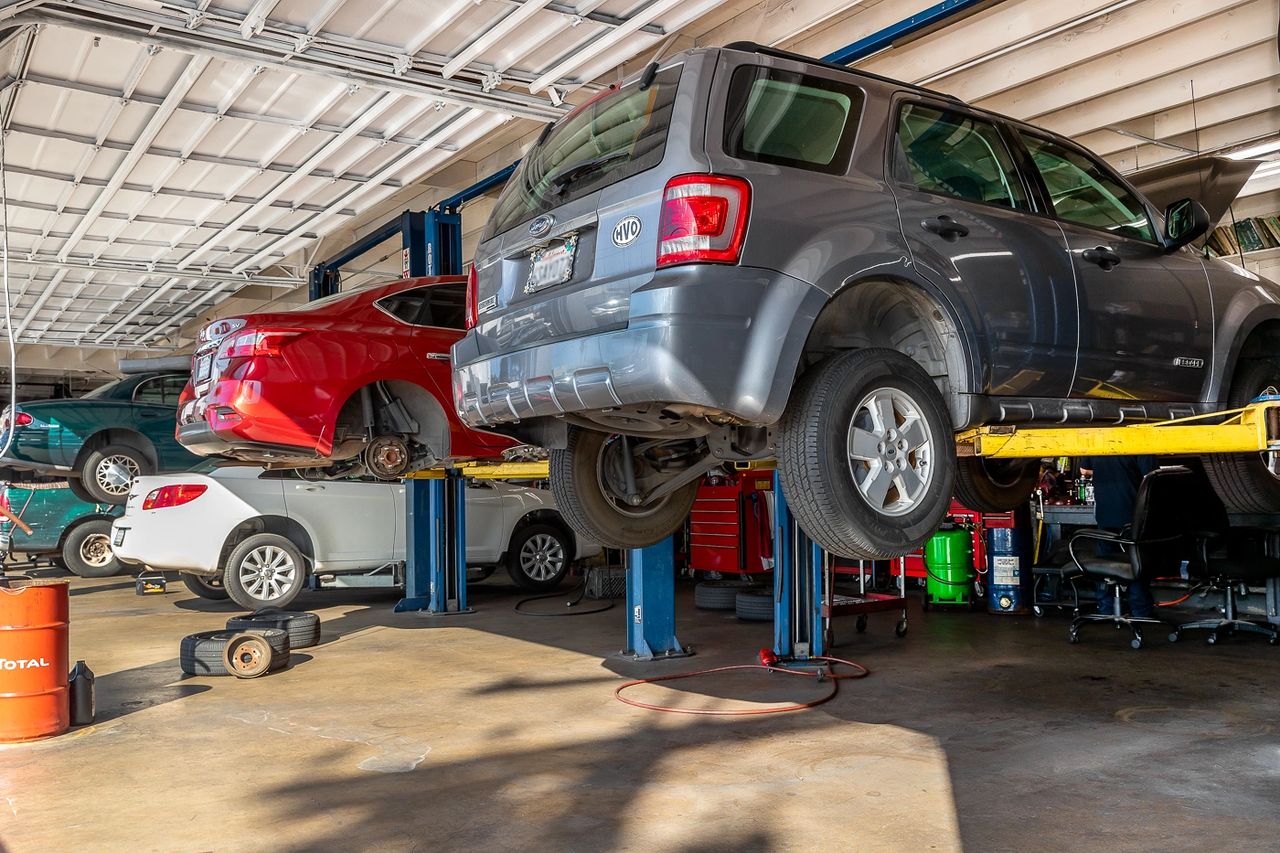
Preparing your vehicle for an Oceanside auto inspection can feel overwhelming—especially if this is your first time facing emissions checks, safety assessments, and paperwork hurdles. Failing even one component can mean costly re-inspections, fines, and headaches down the road. By following a structured approach that addresses common failure points, you’ll drive into your inspection appointment with confidence.
Why Pre-Inspection Checks Save You Time and Money
Taking a proactive stance on vehicle upkeep before your official inspection appointment avoids last-minute rushes to repair shops. A small oil leak that turns into a bigger problem, under-inflated tires that skew sensor readings, or a burnt‑out headlight can result in a failed inspection and repeat visits. By catching these issues early—sometimes with simple at-home checks or a quick trip to a trusted North County auto repair shop—you’ll save on repair costs, avoid tow fees, and keep your registration valid without interruption.
Start with a Comprehensive Vehicle Self-Checklist
Before scheduling your appointment, walk around your car from bumper to bumper. Start by cleaning away dirt and debris—testers need clear access to emission ports and sensors to get accurate readings. As you inspect each component, mentally note any unusual sounds, smells, or warning lights on your dashboard. Even if you plan to visit a professional, a preliminary self-check gives you the confidence to address glaring issues early.
Checking Fluid Levels and Filters
Fluid balance is the backbone of a smooth-running engine. Low engine oil or coolant can trigger warning lights during a safety inspection, and a clogged air filter can spike emissions readings. In most coastal climates, condensation can also affect brake fluid, so verify each reservoir is within the manufacturer’s recommended range. If you aren’t comfortable topping these off yourself, a quick stop at an auto service near Oceanside can have you ready in minutes.
Inspecting Lights and Signals
Headlights, taillights, brake lights, and turn signals all play into both safety and emissions inspections. A failed bulb may seem trivial, but a safety inspection will flag it and require immediate replacement. Check each light by asking a friend to stand outside while you activate them. Replace any dim or burnt‑out bulbs, and ensure your signal indicators on the dash correspond correctly—faulty wiring can mimic a burned-out bulb and cause a failure.
Tire Tread, Pressure, and Alignment
Tire condition is a dual concern: worn treads compromise traction, and uneven wear hints at suspension or alignment issues. Use a tread-depth gauge or simply the penny test—if Lincoln’s head disappears into the groove, you’re above the legal limit. Inflate tires to the recommended PSI found on your driver’s door jamb, as under- or over-inflation can distort sensor readings during dynamic brake tests. If you notice unusual wear patterns, it’s worth scheduling a quick alignment at your favorite North County auto repair facility.
Under‑the‑Hood Maintenance Tips to Pass Inspection
A thorough engine bay review goes beyond fluids. Look for cracked hoses, loose clamps, or small oil leaks around valve covers and seals. Emission inspections rely on accurate sensor data, and a compromised vacuum line or failing oxygen sensor can throw error codes that lead to a rejection. While a seasoned technician can run an OBD‑II diagnostic in under five minutes, you can catch early warning signs by scanning for check-engine lights or requesting a free code check at most auto parts stores.
The Role of Certified Technicians in North County Auto Repair
When you need an expert eye, certified technicians in North County auto repair shops bring specialized tools and training to the table. They can perform pressure decay tests on EVAP systems, calibrate mass airflow sensors, and update software on new‑model vehicles. Choosing a shop with strong community reputations in Oceanside ensures you’re tapping into local knowledge—technicians there understand regional climate factors like salt air corrosion that can impact undercarriage components and exhaust integrity.
Preparing Documentation and Appointment Logistics
An organized set of documents accelerates the front‑desk process and avoids administrative delays. Gather your current registration, proof of insurance, and any previous inspection reports. If you’ve made significant repairs—such as replacing a catalytic converter or exhaust manifold—bring receipts that verify OEM parts were used. Scheduling your appointment during off‑peak hours (typically weekday mid‑mornings) can also shorten wait times and get you in and out swiftly.
What to Expect During Your Auto Inspection in Oceanside
Knowing the flow of a typical inspection helps you stay relaxed and attentive:
- Check‑In and Verification: An attendant confirms your paperwork and vehicle details.
- Emissions Test: Your car is hooked to a dynamometer or tailpipe probe, measuring hydrocarbons, CO, and NOx levels.
- Safety Inspection: A visual and functional check covers lights, brakes, horn, windshield wipers, mirrors, and seatbelts.
- Underbody Examination: They inspect exhaust mounts, frame integrity, and catalytic converter functionality.
While each phase lasts only minutes, understanding the sequence lets you prepare mentally and physically.
Emissions Testing Procedures
California’s smog standards are among the strictest in the nation. Gasoline engines built after 1975 undergo tailpipe tests, while newer models may be evaluated via OBD‑II data. Diesel vehicles face additional opacity checks to gauge particulate emissions. If your vehicle is vintage or an import, confirm with your inspection location that they’re equipped to handle older engine calibrations or non‑standard diagnostics.
Safety and Visual Inspections
Inspectors look for cracks in windshield glass, fluid leaks, tire bulges, and any aftermarket modifications that compromise safety. Even a small stone chip can lead to a cracked windshield under pressure, so assess glass integrity ahead of time. Aftermarket lighting or tinted windows beyond legal limits will be flagged, so remove any non‑compliant accessories before your appointment.
After the Inspection: Next Steps for Ongoing Care
Passing your inspection is just one milestone in vehicle maintenance. Keep a maintenance log—either digital or in your glovebox—that records dates for oil changes, filter replacements, brake pad inspections, and tire rotations. This documentation not only helps you stay on track but also boosts resale value when it’s time to sell or trade in your car. In coastal regions like Oceanside, regular undercarriage washes prevent salt corrosion from undermining chassis and exhaust components.
Oceanside Auto Inspection Support from Owen’s Automotive
Preparing correctly for an Oceanside auto inspection takes planning, attention to detail, and sometimes specialized equipment. If you’d rather skip the self-inspection and head straight to reliable service, Owen’s Automotive offers comprehensive prep packages and expert diagnostics. Whether you need fluid top‑offs, emissions calibration, or a full pre‑inspection tune‑up, our team in Escondido is ready to ensure your next inspection goes off without a hitch. Contact Owen’s Automotive today to schedule your pre‑inspection appointment and drive through with confidence.