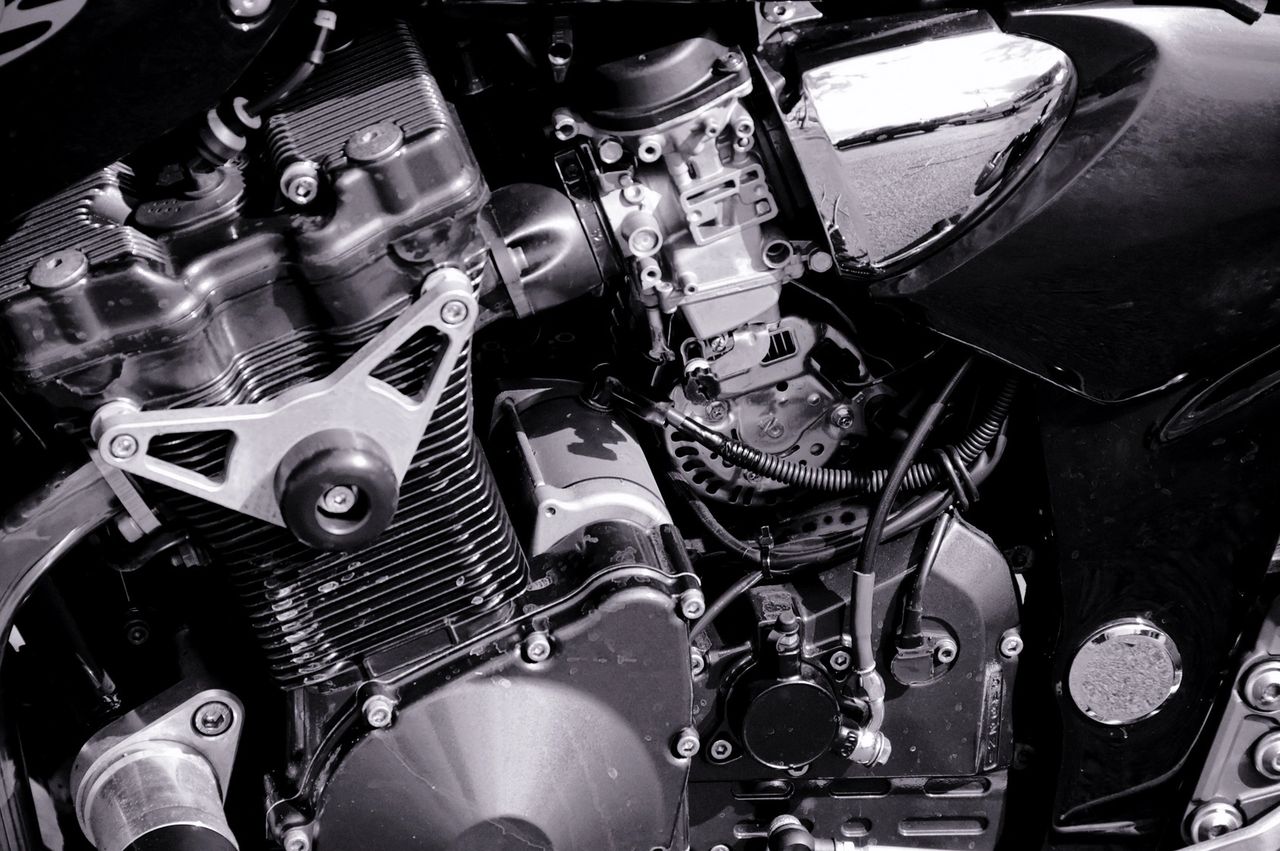
Winter can be rough on diesel engines, and drivers in North County know how quickly cold weather exposes weak glow plugs, tired batteries, and fuel system issues. When temperatures drop, the need for reliable North County diesel service becomes obvious, especially for anyone who depends on a diesel truck for work, towing, or long holiday drives. If you’ve ever dealt with sluggish cold starts, warning lights popping on at dawn, or a truck that smokes more than usual on a chilly morning, you already know how important proper winter prep can be. Diesel engines are tough, but they demand a different level of care when seasonal conditions start shifting.
Cold temperatures affect diesel engines in ways that gas engines don’t experience. Diesel fuel thickens, engines take longer to build heat, and sensitive components like glow plugs and high-pressure fuel systems have to work harder than normal. Waiting until something breaks is the fastest way to get stranded, so winter prep is all about staying ahead. A truck that’s maintained well will start easier, run smoother, use fuel more efficiently, and avoid the costly mid-season repairs that hit so many drivers. Whether you’re planning Christmas travel, hauling equipment, or commuting before sunrise, a winter-ready diesel engine gives you confidence every time you turn the key.
Why Diesel Engines Need Special Attention During Winter
Diesel engines run on compression and heat rather than spark, which means they rely heavily on temperature to ignite fuel properly. When cold weather arrives, several things happen internally that can make life harder for your engine. Fuel begins to thicken, potentially leading to gelling in severe conditions. Glow plugs take longer to warm up, which can force your starter and battery to work harder. Oil thickens as well, and that slow-moving lubrication means added wear if you don’t allow proper warm-up time or maintain the correct oil grade.
Drivers sometimes shrug off early signs of winter stress, thinking the engine is just slow to wake up. But subtle issues tend to grow quickly. A glow plug circuit that’s starting to fail might throw no codes at first but will eventually lead to hard starts or rough idle. A weak battery can seem fine in the afternoon but struggle after sitting overnight. Winter exposes the small weaknesses you could ignore in autumn. This is why diesel owners benefit from a pre-season checkup. It isn’t just maintenance; it’s insurance against costly downtime.
How Fuel Quality and Treatment Affect Winter Performance
Fuel quality is one of the biggest factors in winter diesel performance, especially for North County drivers who travel into colder inland areas for work or family holiday trips. Diesel fuel naturally contains paraffin, which crystallizes as temperatures fall. This results in clouding and eventual gelling. Once fuel begins to gel, it won’t flow properly through the filter or lines, and the truck can stall or fail to start entirely.
Winterization additives help prevent this by lowering the cold filter plug point, improving lubricity, and keeping injectors cleaner. Not all additives are created equal, and using a high-quality product is important. It’s also a good idea to fuel up at busy stations that move a lot of diesel, reducing the risk of getting older fuel that has started to degrade in storage. Many drivers also overlook the importance of changing the fuel filter before winter. A partially restricted filter has trouble delivering fuel even in warm weather, but cold temperatures magnify the problem.
Using winter additives consistently can keep your engine running smoothly. It’s not overkill; it’s a small step that makes a huge difference when the first cold front rolls through North County.
The Critical Role of Glow Plugs and Starting Systems
Glow plugs are essential for cold starts, and even one weak plug can cause the whole engine to stumble on a winter morning. Unlike spark plugs, glow plugs don’t fire continuously. Their job is to preheat the combustion chamber so diesel can ignite reliably. Over time, glow plugs wear out or fail in sets, and drivers often don’t notice the problem until temperatures drop.
Modern diesel engines rely heavily on glow plug control modules and related electronics. If any part of that system isn’t working correctly, the truck might crank longer than normal, idle rough, or blow white smoke until it warms up. Many drivers assume this is normal diesel behavior in winter, but it’s usually a sign that at least one glow plug is underperforming.
Starting systems need attention too. A battery that tests at 50 percent life in the summer might be down to 10 percent effectiveness in the cold. Starter motors and alternators are often overlooked, yet they play a major part in winter reliability. Having these components checked before weather changes can prevent early morning surprises.
Oil, Filters, and Lubrication Choices That Matter in Cold Weather
Oil is another area where diesel service becomes essential as temperatures change. Diesel engines typically carry more oil than gasoline engines, and they place greater stress on their lubrication systems. Winter makes things harder. Cold oil thickens and moves slowly, which increases wear during startup. Using the correct oil weight and staying on schedule with oil changes is critical for longevity.
Filters matter just as much. Oil filters with poor flow characteristics can delay lubrication during cold starts. Same goes for fuel filters that become tighter as temperatures drop. A clogged crankcase ventilation filter can also cause pressure issues, which may lead to oil leaks that appear suddenly in winter. All these components work together, and each needs to be ready for colder months.
Drivers who tow, haul, or take long highway trips often benefit from switching to a winter-friendly full synthetic oil. These oils maintain viscosity more effectively and flow faster during startup. It’s a simple upgrade that helps protect the engine throughout the season.
Winter Driving Habits That Extend Diesel Engine Life
Even a well-maintained engine needs the right habits behind the wheel during winter. Diesel trucks warm up differently than gas vehicles, and letting the engine idle endlessly is not the ideal method. Instead, allow a brief warm-up period, then drive gently until the engine reaches full operating temperature. This puts a controlled load on the engine, helping it warm evenly and lubricate properly.
Short trips are harder on diesel engines in winter because they rarely allow the oil and coolant to reach temperature. Moisture can build up in the crankcase, and regeneration cycles on newer diesel engines may not complete. Longer drives are healthier, especially for trucks equipped with exhaust aftertreatment systems.
Winter driving is also a good time to watch gauges carefully. Rising coolant temps, abnormal oil pressure behavior, or sudden changes in idle quality can point to developing issues. Early detection always beats emergency repairs.
Additional Winter Prep Steps That Many Drivers Overlook
While fuel, glow plugs, and oil are the big items, several other areas deserve attention. Coolant strength and condition are often overlooked, yet they play a huge role in preventing overheating and freeze-related damage. Belts and hoses can stiffen in cold weather, and batteries behave differently depending on temperature and age.
A few often-missed items include:
- Block heater inspection and cord condition
- Air filter cleanliness
- Exhaust system integrity
- Brake system moisture buildup
These are small details, but winter punishes the small stuff first.
Why Local Knowledge Matters for North County Auto Service
Weather in North County can be unpredictable. Inland areas face colder mornings than coastal neighborhoods, and drivers who travel between these zones experience a wider swing of conditions. That makes seasonal diesel service more important. Trucks that seem fine in coastal winter mornings may struggle when driven into higher or colder regions. Local service shops understand these patterns and adjust their recommendations accordingly.
This kind of regional insight matters. Choosing a shop that knows how winter affects diesel engines in this area helps prevent issues like premature battery failure, ongoing hard-start complaints, or fuel gelling during early-morning work shifts.
North County Diesel Service You Can Rely On
Winter puts diesel engines to the test, and giving your truck the right care now sets you up for months of dependable driving. From fuel treatment and glow plug readiness to oil choice and cold-weather driving habits, every step adds to your diesel engine’s winter reliability. If you want peace of mind before temperatures drop further, schedule North County diesel service with a trusted local team that understands how winter affects diesel performance in this region. For quality work you can count on, contact Owen’s Automotive in Escondido and get your diesel engine ready for the cold season.