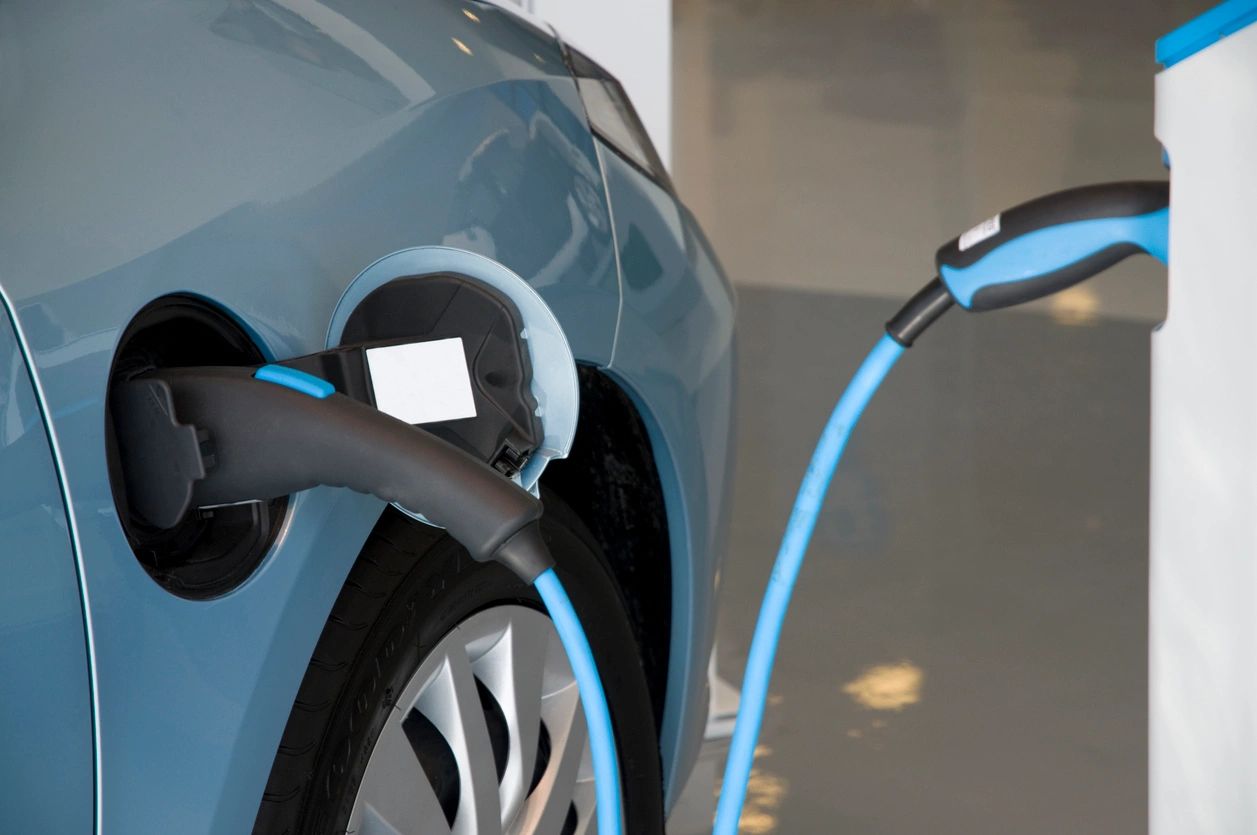
Cold weather brings its share of challenges for drivers, but EV owners feel those changes more sharply thanks to how temperature affects batteries, charging, and overall vehicle performance. Anyone handling San Marcos EV repair concerns this time of year knows that winter can disrupt routines and expose weaknesses in an electric vehicle’s systems. For drivers who rely on consistent range, fast charging, and trouble-free morning starts, winter creates pressure points that shouldn’t be ignored. This guide walks you through what EV owners in San Marcos should focus on before temperatures drop and how to keep your electric car running smoothly throughout the season.
Why EVs Act Differently When Temperatures Drop
EV batteries work best in moderate conditions, so cold weather can instantly affect range. Most drivers notice this on the first chilly morning when the car’s predicted mileage shrinks, even though nothing has changed in their driving routine. Lithium-ion batteries slow down in the cold, making it harder for them to receive and release energy. You may also notice slower charging, especially with fast chargers, because the battery management system protects itself by regulating how quickly it accepts power. These shifts can catch new EV owners off guard, particularly those who rely on the same daily charging habits year-round.
In addition to range loss, cold weather puts stress on the cabin heating system, which draws energy from the same battery powering your motors. Unlike gasoline vehicles, EVs cannot rely on engine heat to warm the cabin. Instead, they use electric resistance heaters or heat pumps. Either system increases energy usage, which drops the available range further. These effects are normal, but preparing for them ensures your EV stays predictable in the months ahead.
Battery Conditioning Matters More in Winter
Battery conditioning is one of the most overlooked parts of winter EV prep. Some vehicles handle the process automatically, while others require you to enable features that warm the battery before driving or charging. Preconditioning helps the battery reach an optimal temperature so it can deliver power efficiently. Without it, you may start the morning with sluggish acceleration, limited regenerative braking, and a range number that falls short of expectations.
Drivers in San Marcos might think winter prep is only for colder climates, but inland nighttime temperatures can drop enough to influence battery performance. Conditioning your battery while the car is still plugged in preserves range and reduces wear. It can also shorten charging times at public stations, which helps avoid long winter waits. If you use a Level 2 charger at home, scheduling your charging session so the car finishes shortly before your morning departure naturally warms the battery without extra steps.
Brake System Performance in Cooler Weather
While EV brakes experience less wear because regenerative braking handles much of the stopping, cold weather can still affect the brake system. Moisture buildup, overnight condensation, and even minor corrosion can develop more rapidly when temperatures fluctuate. For drivers who don’t use friction brakes often, these issues can go unnoticed until you need a harder stop on a slick or wet winter road.
A winter brake check should include pad condition, rotor surface quality, and caliper movement. Even EVs with strong regenerative braking need healthy physical brakes for emergency situations and wet road traction. Shop technicians who specialize in North County auto service often recommend lightly applying your brakes occasionally throughout the week to help keep the components dry and functional.
Heating, Cabin Comfort, and Energy Usage
Cabin heating is one of the top contributors to winter range loss. Electric heaters use significant power, especially when warming the car from a cold start. To reduce energy drain, preheat your cabin while the car is still plugged in. This small change saves range and helps you leave home with a warm interior even before pulling out of the driveway.
If your EV has a heat pump, you’re already ahead because heat pumps are more efficient than resistance heaters. Still, they benefit from winter inspections to ensure refrigerant levels, sensors, and airflow components are working well. A malfunctioning heat pump can double or triple energy usage, leading to sudden drops in range on colder days.
Cabin air filters play a role in heating efficiency too. Dirty filters restrict airflow and force the HVAC system to work harder, which drains more energy. A quick filter replacement helps keep your heating system running smoothly and reduces unnecessary strain on the battery.
Charging Expectations and Planning for Slower Speeds
Charging speed is almost always slower in cold weather, especially with DC fast chargers. This isn’t a malfunction. It is the car’s battery protection system regulating power until the pack warms up. If you’re taking road trips during the winter season, it helps to plan your charging stops with extra time in mind.
Apps that track station availability and real-time performance can help you avoid long lines or stations experiencing reduced output. While San Marcos doesn’t have the extreme winter delays seen in colder regions, drivers still encounter slower charging after cold nights or early-morning fast charging sessions. Building winter expectations into your routine avoids frustration and helps you keep reliable schedules for commuting, errands, or longer drives.
Winter Tire Considerations for EV Drivers
Tires affect range, traction, and drivetrain performance. EVs are heavier than gas-powered cars because of their battery packs, which means they depend heavily on proper tire grip. As temperatures drop, standard all-season compounds stiffen and lose traction. Winter-rated tires retain their flexibility in low temperatures and give better control on cold pavement, even if you don’t experience snow.
Proper tire pressure is another critical winter item. Cold weather lowers tire pressure naturally, which reduces efficiency and range. Many drivers overlook this and only discover the issue when warning lights appear on the dash. Keeping your tires at the recommended pressure helps protect your range and improves safety on wet winter roads.
Electrical System Checks Beyond the Battery Pack
Your EV contains dozens of small electrical components that support heating, sensors, lighting, and driver-assistance systems. Cold weather can expose weak connections or components that have been gradually wearing out. For example, a failing 12V battery can cause a host of issues even if your main high-voltage battery is in perfect shape.
A winter inspection should include lighting, wiper motors, window regulators, and any sensors supporting safety features like lane assist or collision alerts. Even minor faults can become more noticeable in winter when visibility is reduced and electrical demands increase.
Charging at Home During Winter Months
Home charging is the backbone of a smooth winter driving routine. If you park outdoors, consider using a timer to start charging during warmer afternoon or evening hours rather than waiting until the coldest part of the night. If your charger is indoors or partially sheltered, make sure the cable and connector are clean and free of moisture.
Many homeowners also overlook the panel or wiring that supports their charging setup. A quick inspection helps ensure your system is ready for higher energy demands in winter. Any inconsistencies in voltage supply, grounding, or cable condition can affect charging speed and reliability.
San Marcos EV Repair Winter Readiness
If you want your EV to stay reliable through the colder months, winter preparation should focus on battery health, charging efficiency, HVAC performance, brake safety, and overall electrical stability. Addressing these areas now prevents unexpected range drops, slow charging sessions, and the frustrating quirks that often surprise drivers on chilly mornings. For San Marcos EV repair or winter system checks, reaching out to a trusted shop ensures you’re ready for anything the season brings. Owen’s Automotive can help with inspections, diagnostics, and any cold-weather maintenance your EV needs, and you can contact them through their website to schedule an appointment.