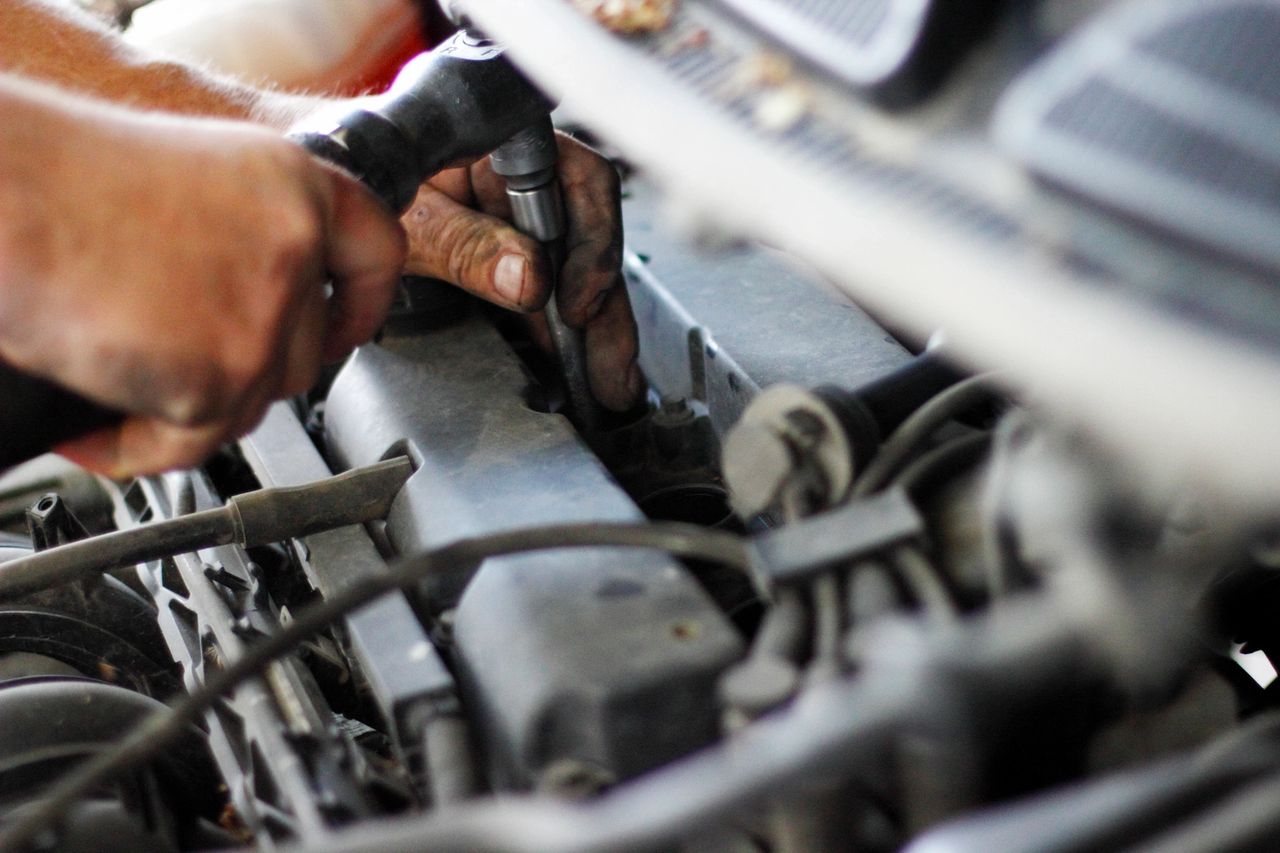
Winter driving in North County demands more from your vehicle, and a timely Valley Center oil change is one of the best ways to prepare. Drivers often underestimate how much cold temperatures, steep grades, and stop-and-go traffic can strain an engine. When the weather shifts, your engine has to work harder to stay lubricated, regulate temperature, and maintain performance. If the oil is old or degraded, the engine faces unnecessary friction that can quickly snowball into expensive repairs. Starting the season with fresh oil helps protect your vehicle and gives you peace of mind before holiday travel and wet winter roads arrive.
Why Oil Thickens in Cold Weather
Cold temperatures affect your engine in several ways, and oil thickness is one of the biggest. Oil naturally becomes thicker when temperatures drop, which means it flows slower through the engine. If your oil is already dirty or breaking down, winter thickening makes that problem even worse. Thicker oil struggles to reach components fast enough during start-up, and most engine wear happens in those first few seconds. In Valley Center, morning temperatures can dip low enough to slow this process, especially for drivers who leave their cars outside overnight. A fresh winter-friendly oil grade helps improve flow, protect key parts, and reduce the strain on your engine each morning.
How Seasonal Driving Conditions Change Engine Needs
Winter roads aren’t just colder. They are wetter, slicker, and often congested due to holiday traffic and limited visibility during early sunsets. This combination means you accelerate and brake more often, spend longer periods idling, and push your engine harder even during short trips. These factors break oil down quicker than most people realize. Old oil loses its ability to suspend dirt and small debris, which can circulate through the engine and contribute to premature wear. When you start winter with a clean oil system, your car handles these seasonal demands with less resistance.
Choosing the Right Oil for North County’s Winter Climate
Not all oil types are created equal, and the best choice depends on your driving patterns and vehicle type. Synthetic oils tend to perform better in both cold weather and stop-and-go traffic, which is why many winter service recommendations lean that direction. Synthetic formulations flow better at lower temperatures and maintain stability during long climbs up Valley Center Road or repeated short trips around town.
The viscosity grade matters too. Many newer vehicles call for a multi-grade oil that adjusts to temperature shifts. During colder months, the first number in the viscosity rating determines how well your oil flows at start-up. Using the recommended winter-rated oil ensures better protection and smoother performance. If you tow, carry heavy loads, or regularly drive through Valley Center’s hilly backroads, your engine has even greater demand for proper lubrication.
How Oil Quality Affects Fuel Efficiency in Winter
Winter driving often leads to lower fuel efficiency. Cold air is denser, engines take longer to reach optimal temperature, and winter driving patterns involve more stops and slower speeds. Old or degraded oil magnifies all of these problems. When oil becomes contaminated or breaks down, it increases internal engine resistance. Your engine works harder to produce the same power, which burns more fuel. A fresh oil change reduces resistance and can help offset some of the seasonal drop in miles per gallon.
For drivers in Valley Center who commute to San Diego or Escondido, this difference becomes noticeable over time. Even a small drop in efficiency adds up when you are spending more time on the road during the holidays. Keeping your oil fresh helps stabilize your fuel budget throughout the colder months.
How Oil Changes Protect Your Engine on Steep Grades
Valley Center’s elevation and terrain play a role in how often your vehicle should receive service. Climbing hills puts extra load on the engine, increasing temperature and stress on moving parts. If your oil is old or dirty, it cannot cool the engine effectively or protect metal components from friction. During winter, these climbs become even tougher because the engine needs more time to warm up. Poor lubrication on a cold engine going uphill is a quick recipe for long-term damage.
Drivers who rely on their vehicles daily, whether for commuting, school drop-offs, or navigating rural roads, should not push oil changes past the recommended interval. In many cases, winter driving patterns justify changing oil earlier rather than later.
Signs Your Oil Needs Changing Before Winter Hits
Most drivers know the usual dashboard oil light, but winter puts a spotlight on earlier warning signs. If you notice darker-than-usual oil on the dipstick, an increase in ticking noises on cold starts, or a rough idle early in the morning, these can point to lubrication problems. Exhaust fumes that seem heavier than usual, especially during the first few minutes after starting the vehicle, can also signal oil deterioration. If your oil smells burnt or looks gritty, it is past due for replacement.
Drivers who only take short trips around Valley Center should pay special attention. Short drives do not allow your engine to reach full operating temperature. This causes moisture to build up in the oil faster, which breaks it down sooner. A pre-winter oil check is one of the simplest ways to avoid these seasonal complications.
How an Oil Change Supports Other Vital Engine Systems
Winter oil service does more than protect the engine itself. It also directly affects several other important components. The engine's cooling system depends on proper oil flow to regulate internal temperatures. The timing chain or belt relies on steady lubrication to avoid premature wear. Even the fuel injection system benefits indirectly from clean oil because it helps maintain consistent combustion.
When you start winter with fresh oil, these systems operate with less resistance. This makes cold morning starts smoother and reduces stress across the entire engine bay. Drivers often notice quieter operation, fewer vibrations, and more consistent performance during winter conditions.
Why Localized Service Matters for Valley Center Drivers
A Valley Center oil change is not the same as a standard service in a mild climate. North County has a unique combination of rural roads, varied elevations, and weather patterns that require localized knowledge. A technician familiar with Valley Center driving conditions understands how dust, uneven terrain, and frequent elevation changes affect your maintenance schedule. Someone who regularly works on vehicles in this region can recommend the best oil type, interval, and additional winter checks that match your specific driving habits.
Local drivers know how quickly weather can shift from warm afternoons to chilly, wet evenings, and your oil needs to handle that transition smoothly. Getting your oil changed in a shop that understands these conditions helps ensure you don’t overlook important winter factors.
Putting It All Together Before You Hit Winter Roads
Preparing for winter in Valley Center means more than throwing an emergency kit in the trunk. Your oil is the foundation of your engine’s health, and winter places new demands on lubrication, temperature control, and efficiency. A seasonally timed oil change gives your engine the best chance to handle cold starts, holiday traffic, steep grades, and shorter daylight hours without unnecessary strain. With clean oil and the right viscosity, your vehicle stays protected and responsive throughout the winter season.
Valley Center Oil Change Support and Help From Owen’s Automotive
For drivers who want reliable winter performance and local support they can trust, an Escondido oil change appointment is one of the smartest moves before cold weather sets in. Owen’s Automotive provides Valley Center drivers with personalized service that matches the region’s winter conditions. Schedule your seasonal oil change today and head into the colder months with confidence and a well-protected engine.